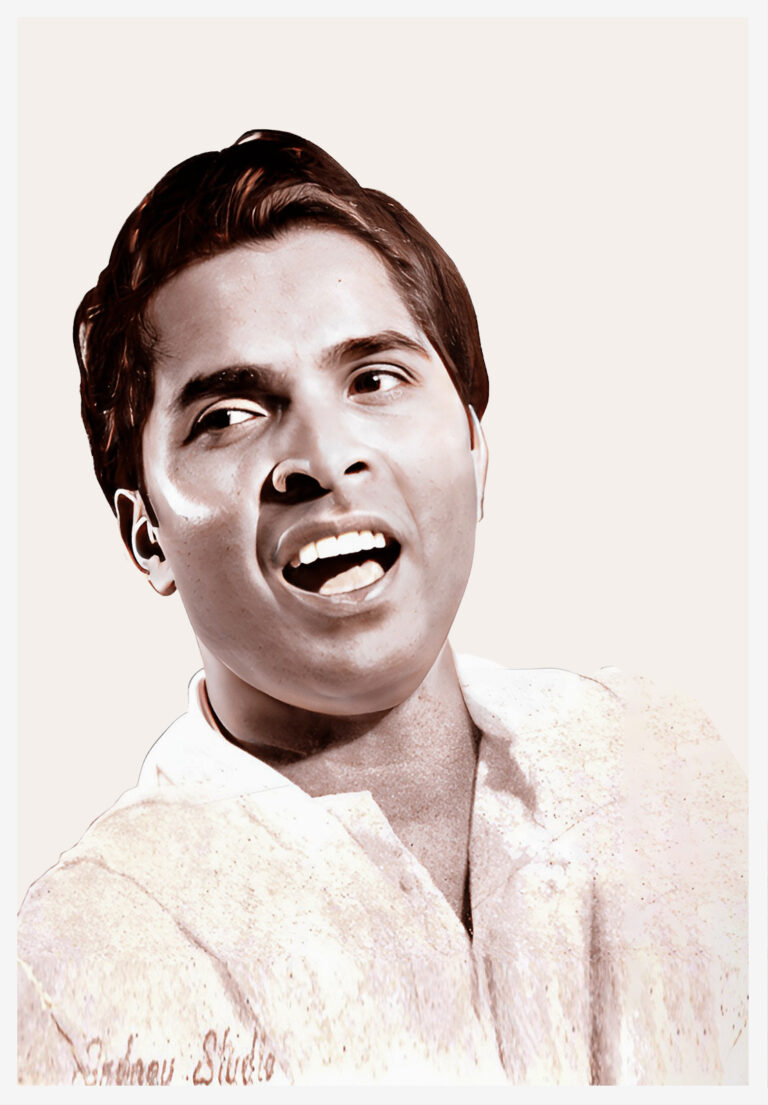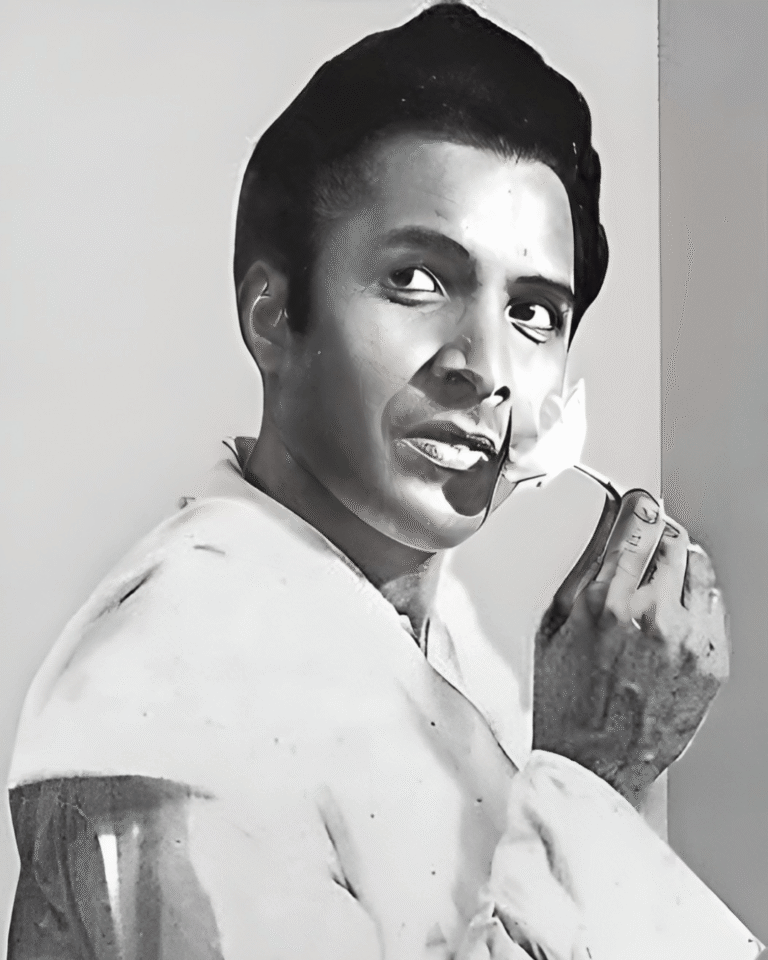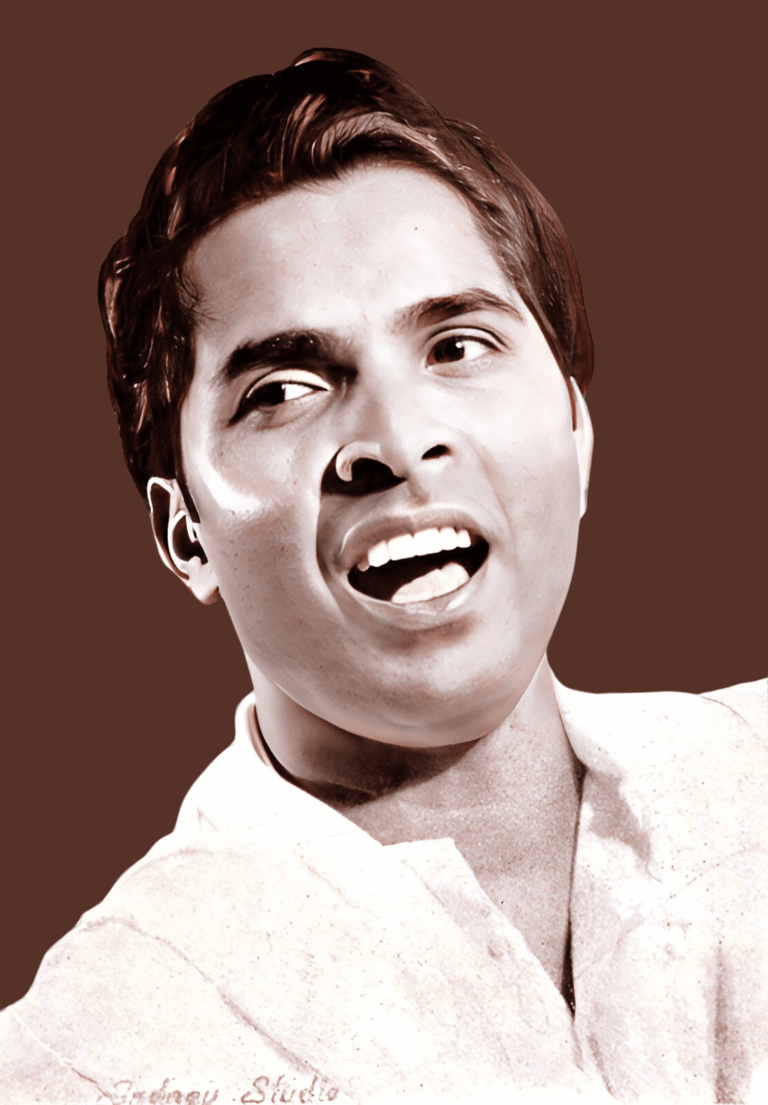
When Sunil Santha returned to Sri Lanka in 1944 as the top graduate of the prestigious
Bhatkhande Music University in India, he came back not only as a musician—but as a
visionary. Armed with the dual title of Visharad in both vocals and instrumentals, and
celebrated as the “Golden Voice of Ceylon,” he stood on the edge of history, ready to
redefine the very soul of Sinhala music.
A Genius Without a Platform
Despite his unmatched academic achievements and international acclaim, Sunil was
offered a modest post as a Physical Education teacher at a public school. Sri Lanka,
still tethered to colonial mindsets, failed to recognize the treasure that had returned
home. Yet, Sunil did not protest. He quietly began his mission—to create a musical
tradition that was authentically Sri Lankan, rooted in native identity and soul.
The Disc That Changed Everything
In 1946, the winds began to shift. That year, Radio Ceylon—Sri Lanka’s only broadcasting
station at the time—imported a brand-new disc cutting machine to modernize its
recording capabilities. Who would they invite to inaugurate it? None other than Sunil
Santha. His debut recordings, “Olu Pipila” and “Handapane,” became instant classics.
These songs weren’t just hits—they were milestones, marking the birth of modern
Sinhala music.